
A household is not one cat multiplied by the number of bowls.
Each cat has an individual body, routine, appetite, medication, litter pattern, hiding strategy, and relationship to the group. The care plan must make those differences visible.
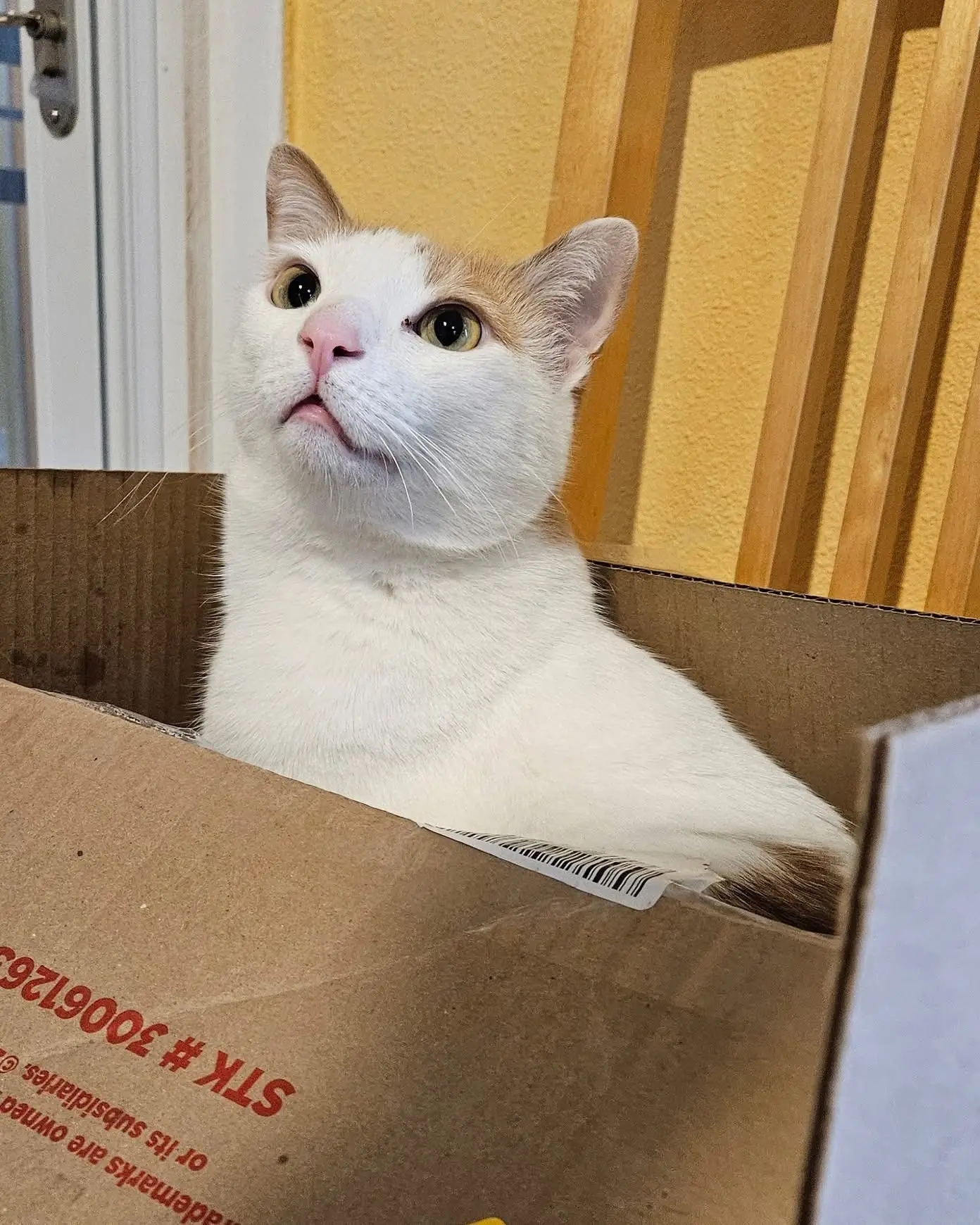
Explain how the sitter can tell the cats and their routines apart.
Photographs, physical descriptions, names, collars when used, usual rooms, feeding positions, medication, and social patterns reduce ambiguity.
Identification
Provide current photographs, coat and body descriptions, names, usual locations, and any similar-looking cats who could be confused.
Feeding separation
Explain who eats which food, where meals occur, whether doors must close, how long food remains available, and who steals food.
Medication by cat
Label each medication and method clearly, describe handling, and prevent the wrong cat from receiving medicated food or supplies.
Litter capacity and output
List every box, cleaning method, normal output, known preferences, and any cat with urinary, constipation, mobility, or location concerns.
Group dynamics
Document bonded pairs, avoidance, bullying, door guarding, resource competition, redirected aggression, and which cats should not be confined together.
Hidden-cat confirmation
Explain which cats routinely hide, their safe locations, how function is confirmed, and when failure to see a specific cat is unusual.
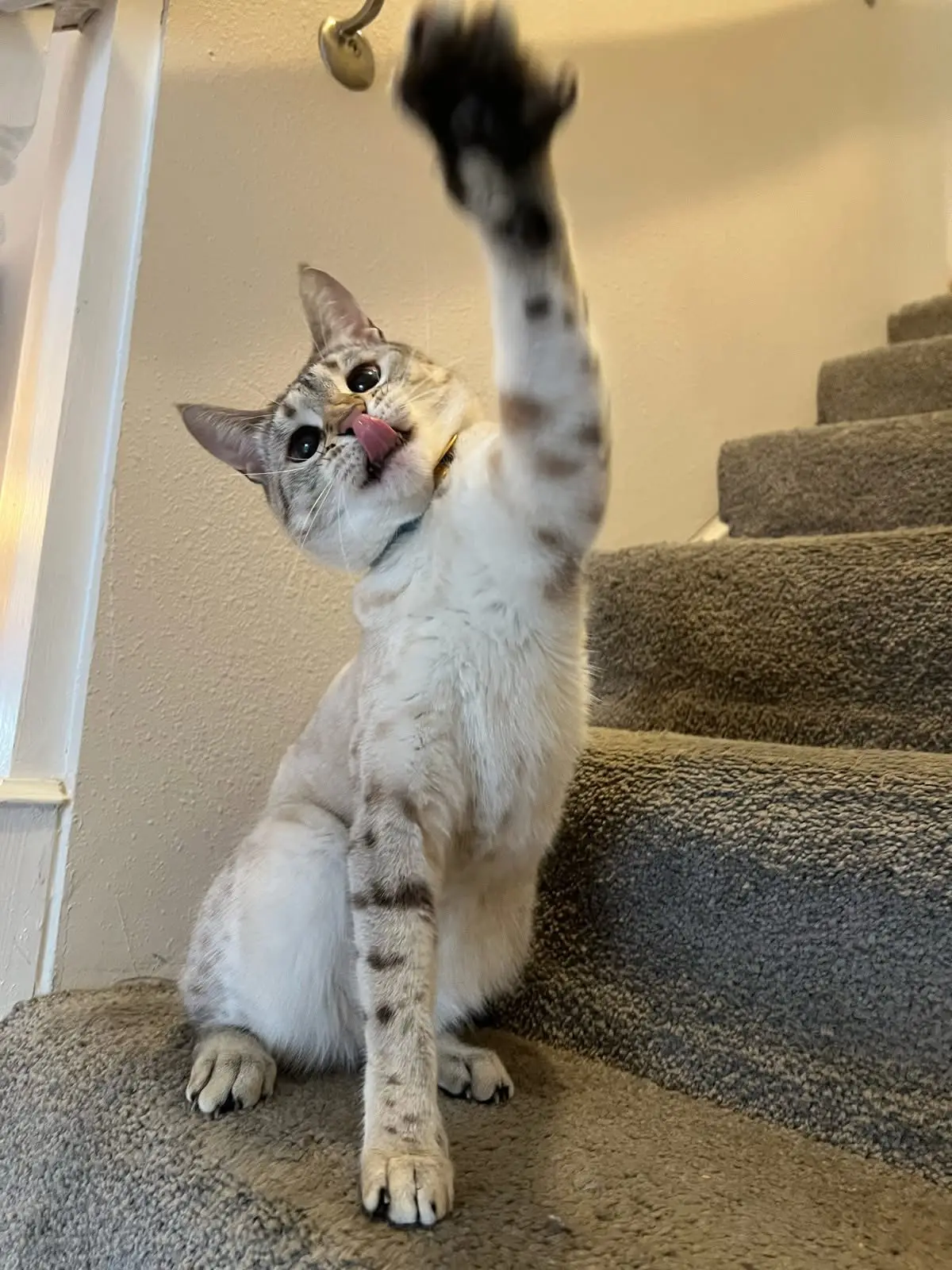
Space, timing, and resource placement can reduce conflict.
Before travel, confirm that food stations, water, litter boxes, resting areas, doors, vertical routes, and hiding spaces remain usable without the guardian mediating the household.
More cats can require more than an additional-cat fee.
The published $15-per-additional-cat fee addresses the household count, but complex feeding separation, multiple medications, extensive litter care, social conflict, or hidden-cat verification may also require a longer or more frequent service plan.
Count tasks
Map food, medication, litter, cleanup, observation, and household work by cat.
Test timing
Make sure essential tasks can be completed inside the planned visit.
Preserve individual data
Use separate stations, photographs, notes, and routines where possible.
Increase continuity when needed
Add visit time, frequency, overnight support, or boarding if the household cannot be safely observed otherwise.
The estimator adds $15 per additional cat to each scheduled visit.
Include all cats even when one is independent or usually hidden. Every resident cat remains part of the household safety plan.