
Understand what the sitter is watching—and why it matters.
The knowledge hub turns common travel-care questions into practical guidance about routine, behavior, appetite, medication, environment, visit frequency, and escalation.
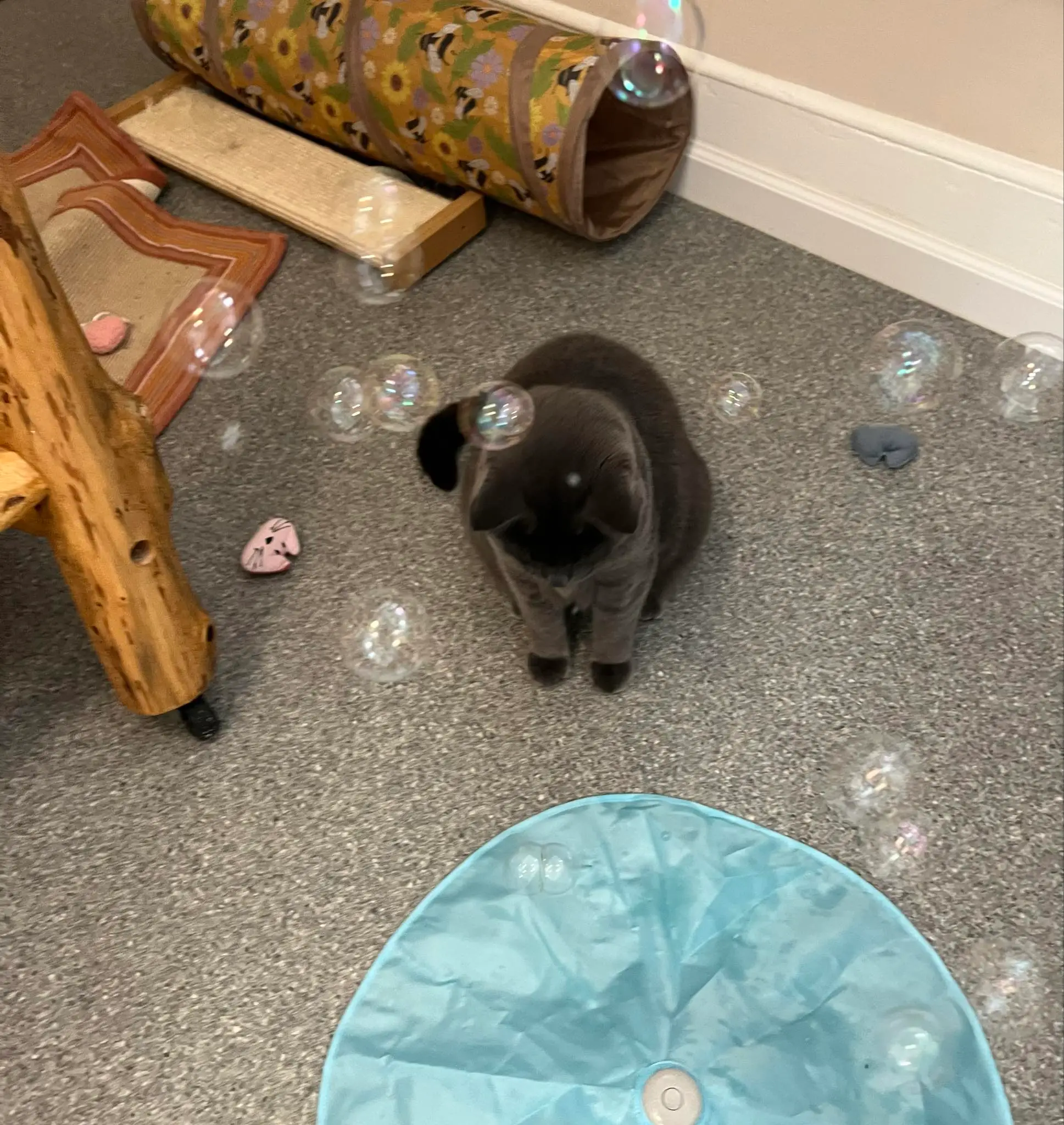
Begin with the visit structure and care setting.
These resources help determine what the sitter should do, how often visits should occur, and whether in-home care is appropriate.
What happens during a visit
Essential tasks, observation, enrichment, home integrity, updates, and closing the home securely.
Read the visit guide →How often should visits happen?
Choose frequency based on health, age, food, medication, social dependence, and safe time between observations.
Plan visit frequency →Preparing the home
Food, litter, access, carriers, medication, keys, alarms, hazards, veterinary contacts, and emergency authorization.
Prepare for care →Cat sitting vs. boarding
Compare familiar territory with staffing, observation, medication reliability, appetite support, and environmental control.
Compare care settings →Questions before hiring a sitter
Ask about feline experience, insurance, medication, communication, backups, emergencies, access, and documentation.
Use the hiring guide →Emergency planning
Veterinary contacts, authorization, carrier location, transport, toxin information, home access, and escalation thresholds.
Build the emergency plan →Travel can change how a cat uses the home.
Hiding, vocalization, food refusal, altered social contact, and unusual sleep locations may be ordinary adaptation—or signs that the care plan needs to change.
Why cats hide from sitters
Understand protective hiding, low-pressure observation, and when hiding begins to interfere with food, litter, medication, or safety.
Read about hiding →Shy, fearful, and anxious cats
Plan quieter visits, predictable movement, indirect observation, lower social pressure, and more deliberate updates.
Sensitive-cat care →How cats experience environmental change
Scent, routine, people, sound, access, furniture, construction, weather, and household rhythm affect regulation.
Environmental-change guide →Signs a cat may be lonely
Social dependence can appear as vocalization, food changes, destructive behavior, clinginess, withdrawal, or altered sleep.
Loneliness and continuity →Cats who do poorly with drop-ins
Identify cats who need overnight support, boarding, increased frequency, or a different setting than periodic visits.
Assess visit-gap risk →Why feline-only matters
See how feline communication, appetite, litter, territory, touch, and stress patterns alter the care model.
Feline-only philosophy →Some cats need a more medically aware visit.
Cat sitters do not replace veterinarians, but medication, appetite, recovery, chronic disease, mobility, and comfort can change what must be observed and when escalation occurs.
Senior cat sitting
Appetite, hydration, litter, mobility, cognition, grooming, medication, sleep, and comfort.
Senior care →Diabetic cat sitting
Food intake, insulin timing, hypoglycemia risk, stress response, and care-setting limits.
Diabetic care →Medication support
Administration methods, timing, consent, partial dosing, failed attempts, documentation, and veterinary coordination.
Medication guide →Post-surgical monitoring
Incisions, pain, medication, appetite, elimination, mobility, e-collars, confinement, and urgent changes.
Recovery care →Special-needs cats
Neurologic, sensory, mobility, behavioral, medical, and adaptive needs that change the home-care plan.
Special-needs care →Hospice and palliative support
Comfort-focused observation, medication, mobility, appetite, hydration, litter access, and changing quality of life.
Hospice support →Check service area, estimate the visit pattern, and submit the full profile.
Educational pages can clarify the issues, but the booking review must consider the specific cat, household, dates, and sitter capacity.