
A professional visit is more than food and litter.
Each visit follows the household instructions while also checking whether the cat and home are functioning as expected.
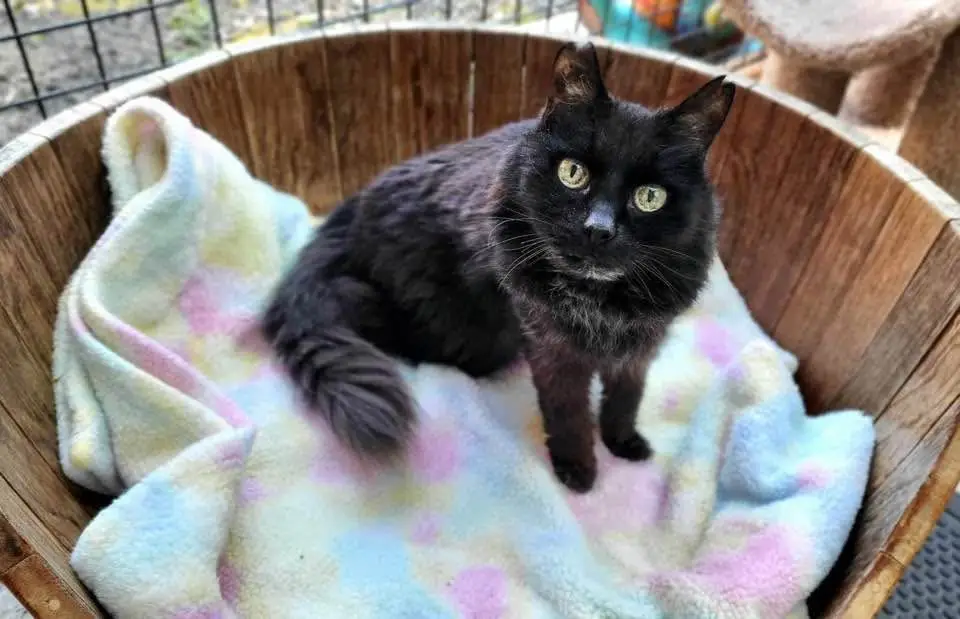
Secure entry
Confirm doors, alarms, visible home conditions, and the cat’s likely location before beginning care.
Essential care
Prepare food, refresh water, clean litter, complete medication, and address pet-related messes.
Observe and engage
Assess appetite, output, movement, behavior, breathing, coat, comfort, and social response; add play or quiet companionship when appropriate.
Close and report
Reset the home, secure doors, document meaningful observations, and send photos and a written update.
What may be completed during the visit.
The exact scope comes from the approved care plan and the amount of time required to complete essential tasks safely.
Food and hydration
Prepare the ordinary meal, separate cats when needed, refresh water, note intake, and identify food refusal or unusual thirst.
Litter-box care
Scoop or reset boxes as instructed and observe urine, stool, straining, accidents, blood, diarrhea, constipation, or lack of output.
Medication
Complete approved medication tasks at the scheduled time and document partial, missed, resisted, or uncertain administration.
Functional observation
Notice mobility, balance, posture, breathing, grooming, coat condition, vocalization, orientation, sleep, and visible comfort.
Social care and enrichment
Offer play, brushing, affection, window time, conversation, or quiet presence according to the cat’s preferences and tolerance.
Home integrity
Check visible safety, temperature, water, doors, locks, mail, packages, agreed plants, lights, trash, and pet-related household concerns.
“Quiet” is only meaningful in relation to baseline.
A sitter needs to know whether the cat normally greets visitors, hides under a particular bed, eats slowly, leaves food overnight, urinates once or several times, or takes medication with resistance. Without baseline, concerning changes can look ordinary.
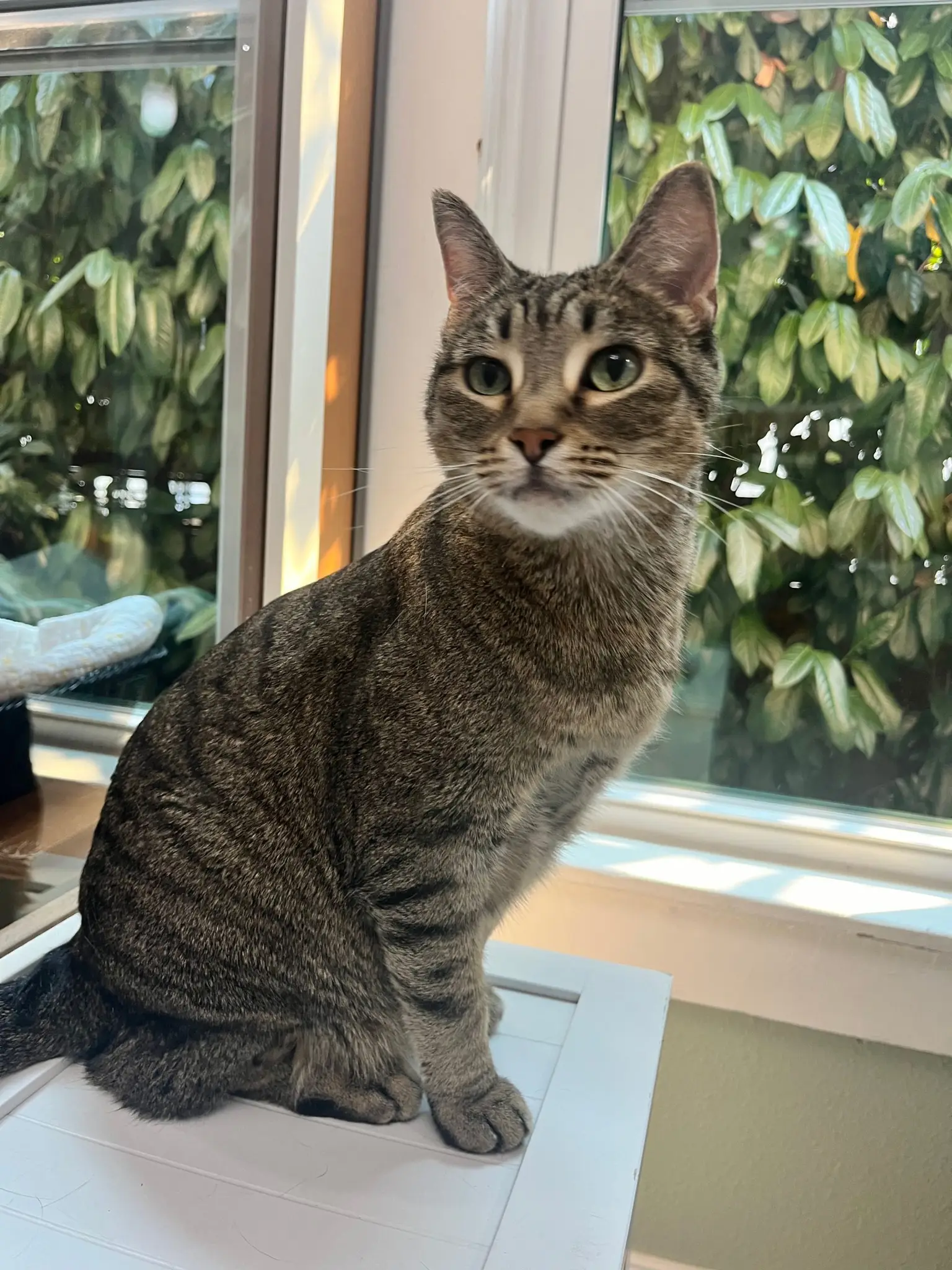
Updates should help the guardian understand function.
A useful update names what was completed, what the sitter observed, whether the cat differed from baseline, and whether any action is needed.
Share priorities before the care period begins.
When visit time is limited, essential feeding, medication, litter, and safety tasks take priority over optional household work or social interaction.