
Home is familiar. Boarding is staffed. Which advantage matters more for this cat?
The least stressful-looking option is not automatically the safest one. Choose based on what the cat must reliably eat, receive, tolerate, and recover from while the guardian is away.
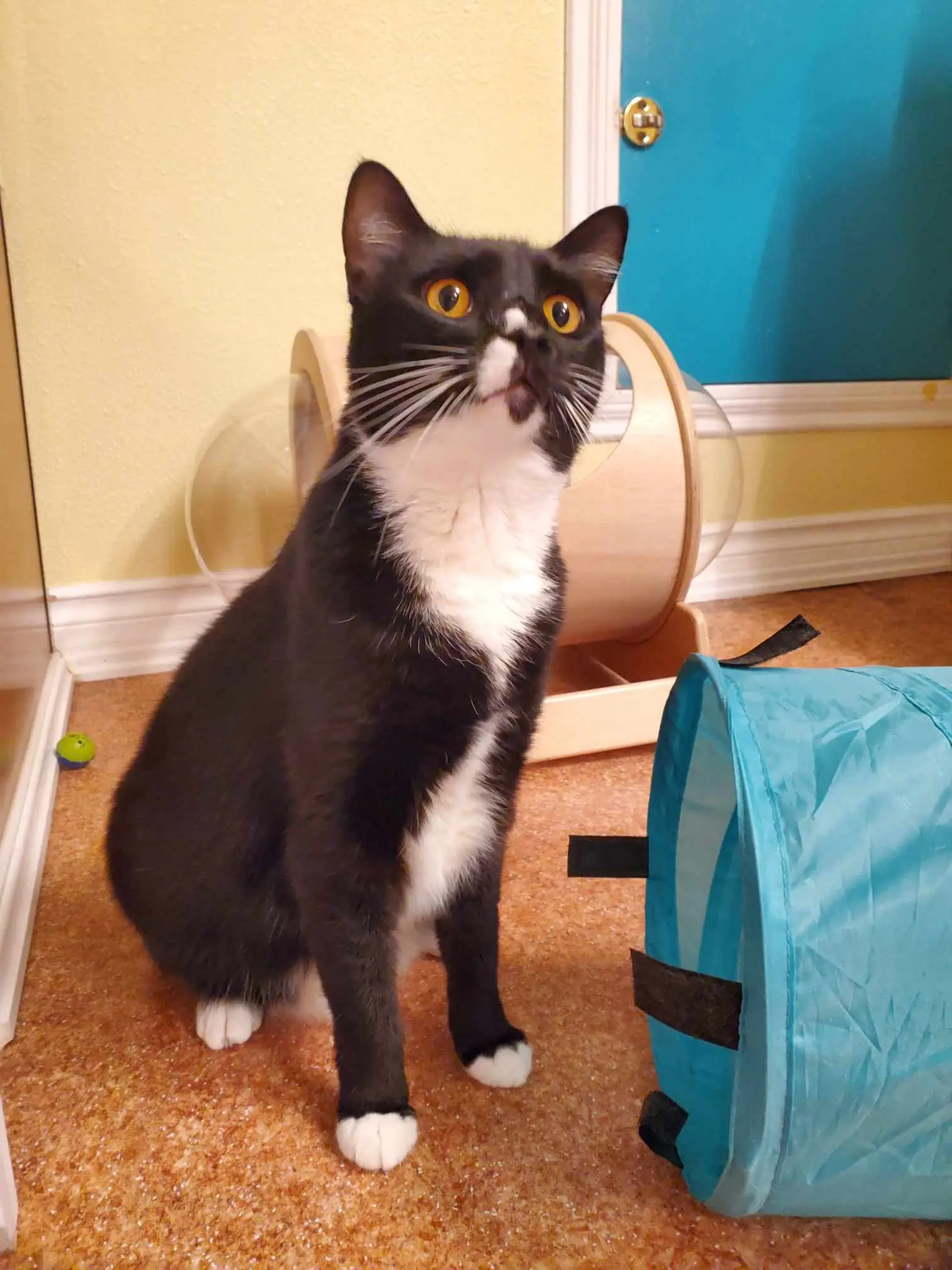
Cat sitting may fit when
Boarding may fit when
Compare function, not assumptions.
A cat can dislike carriers and still need boarding. A cat can enjoy people and still function best at home. The care plan must consider risk and continuity, not only preference.
| Factor | In-home sitting | Feline-only boarding |
|---|---|---|
| Territory | Preserved | Changes to a controlled feline setting |
| Observation | Occurs during scheduled visits | Available more frequently within staffed routines |
| Medication | Must fit visit windows and handling feasibility | Can be integrated into a broader care schedule |
| Appetite | Measured at visits with gaps between observations | Can be checked across the day |
| Household risk | Depends on home access, temperature, utilities, and safety | Care environment is managed by the facility |
| Travel burden | No transport after care begins | Requires carrier and relocation to the facility |
Long gaps can become the clinical problem.
Visit frequency cannot solve every care need. A sitter may arrive twice daily and still miss a rapid decline, unsuccessful medication, absent urination, vomiting, or food refusal between visits.
Diabetic cats
Insulin safety may depend on food intake, glucose context, and the ability to withhold or escalate appropriately.
Diabetic-care decision →Post-surgical cats
Pain, incision, elimination, medication, cone tolerance, and mobility may require more observation than visits can provide.
Recovery-care decision →Highly social or stress-sensitive cats
Some cats stop eating, vocalize, become destructive, or lose regulation during long periods without human presence.
Higher-continuity options →List essential functions
Food, insulin, medication, elimination, mobility, recovery, social contact, and safety.
Define the longest safe gap
Consider what could change before the next scheduled visit.
Assess the setting
Compare home familiarity with staffing, observation, environmental control, and emergency response.
Choose and document
Build the care plan, contingency thresholds, contacts, and transport route.
Describe the cat’s health, routine, behavior, and prior response to travel.
The Cats in the City system can help route between in-home visits, higher-continuity support, and feline-only boarding.