
Aging changes what must be noticed between visits.
Senior cat sitting preserves familiar territory while paying closer attention to appetite, hydration, medication, litter output, mobility, cognition, grooming, sleep, and comfort.
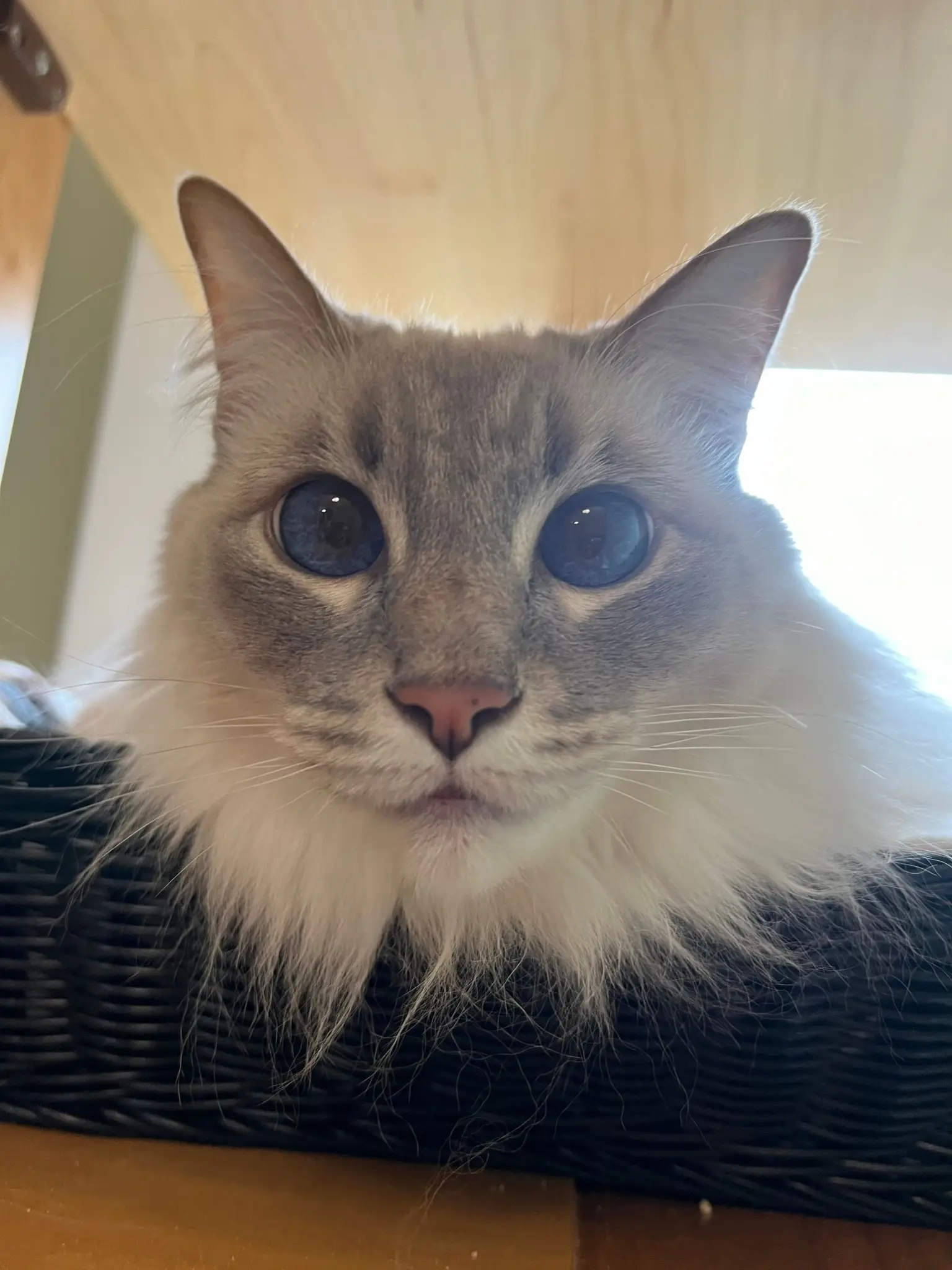
Senior care requires comparison with the cat’s ordinary function.
Age alone does not define complexity. The plan should reflect current diagnoses, physical ability, routines, and recent changes.
Appetite and hydration
Observe amount eaten, food presentation, drinking, vomiting, nausea-like behavior, and whether the cat reaches food comfortably.
Mobility and access
Notice stairs, jumping, balance, litter entry, slippery floors, resting positions, and whether supplies remain physically accessible.
Elimination
Track urine and stool, straining, constipation, accidents, box access, and changes in frequency or location.
Medication routines
Confirm timing, method, successful administration, partial dosing, resistance, and any visible change after medication.
Cognition and behavior
Observe disorientation, altered sleep, nighttime vocalization, social changes, hiding, pacing, or difficulty locating ordinary resources.
Grooming and body care
Look for matting, retained undercoat, grease, dandruff, fecal or urine contamination, overgrown claws, and reduced self-grooming.
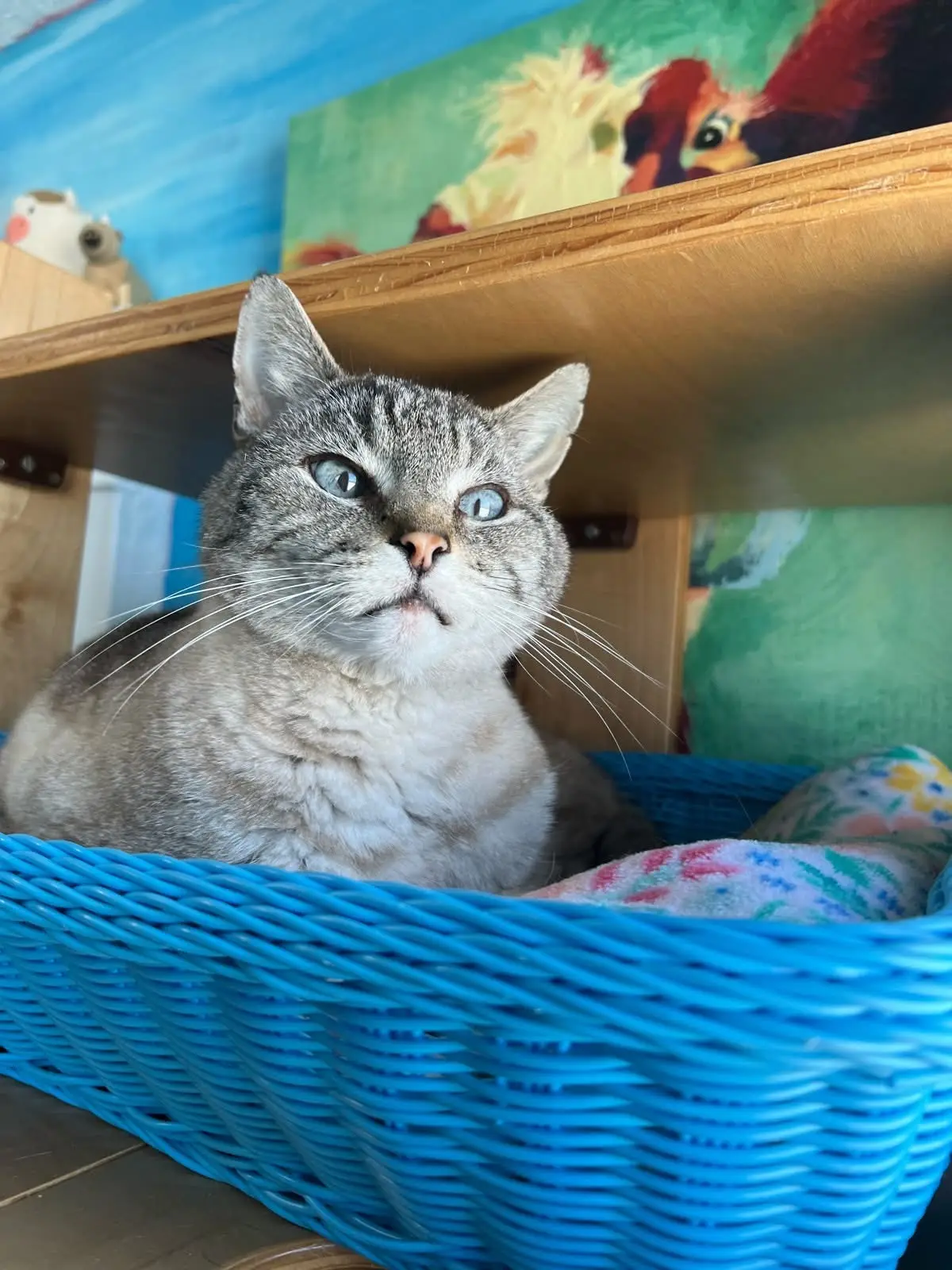
Small environmental changes can reduce daily effort.
Before travel, make sure food, water, litter, beds, medication, and hiding places are reachable without requiring the cat to jump, climb, cross slippery surfaces, or navigate blocked routes.
Home familiarity is valuable, but observation gaps still matter.
A medically stable senior may thrive with in-home visits. A cat with unstable appetite, frequent medication, falls, urinary concerns, rapidly changing function, or high social dependence may need overnight support or feline-only boarding.
Describe baseline
Document normal food, litter, movement, sleep, social behavior, and medication response.
Define safe gaps
Consider how long the cat can safely remain without direct observation.
Build contingencies
Identify contacts, carrier, transport, veterinary information, and thresholds for action.
Choose the setting
Use visits, overnight care, or boarding according to the cat’s actual stability.
Share recent changes before the guardian leaves.
New appetite, weight, mobility, litter, grooming, cognition, or medication changes should be included in the portal profile and discussed with the cat’s veterinary team when appropriate.