
Prepare the home so the sitter can spend time caring—not solving preventable problems.
Reliable access, complete supplies, current instructions, safe resource placement, emergency contacts, and a clear baseline make visits safer and more useful.
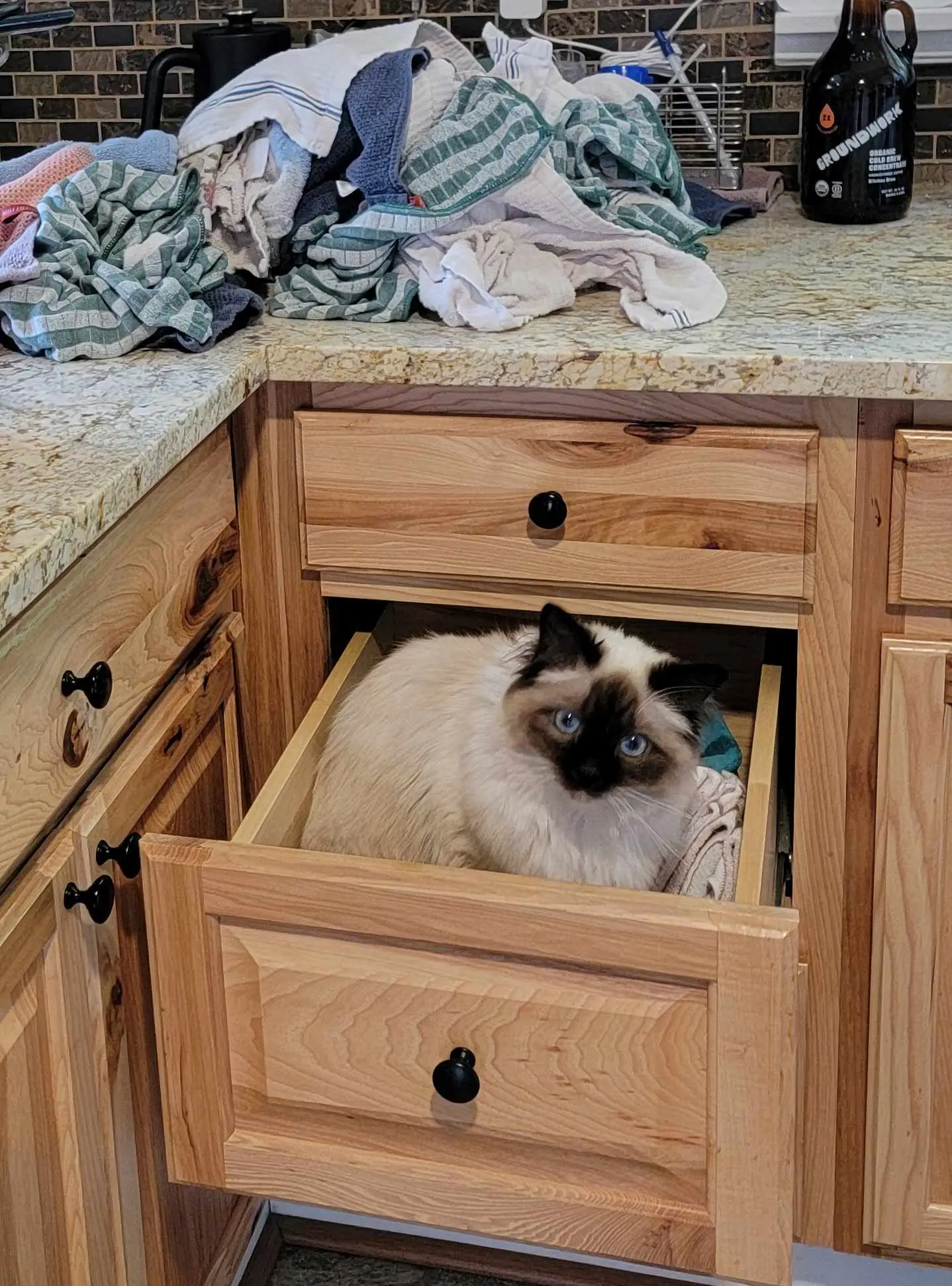
Complete these areas before the first scheduled visit.
Portal instructions should match the physical home. Update both when supplies, doors, appliances, food, medication, or cat behavior changes.
Keys and access
Test keys, fobs, gates, elevators, concierge rules, lockboxes, alarms, garage entry, parking, and the backup route before departure.
Food and water
Label food by cat and meal, provide enough for the full trip plus contingency days, explain storage and preparation, and clean bowls.
Litter setup
Provide litter, bags, tools, disposal instructions, box locations, normal output, special substrates, and approved cleanup supplies.
Medication supplies
Organize current medication, labels, doses, equipment, disposal, timing, written instructions, and enough extra supplies for delays.
Contacts and authorization
List the regular veterinarian, emergency hospital, guardian, backup decision-maker, payment arrangements, and carrier location.
Cat baseline
Describe ordinary appetite, litter, hiding, social contact, movement, sleep, grooming, medication response, and recent changes.
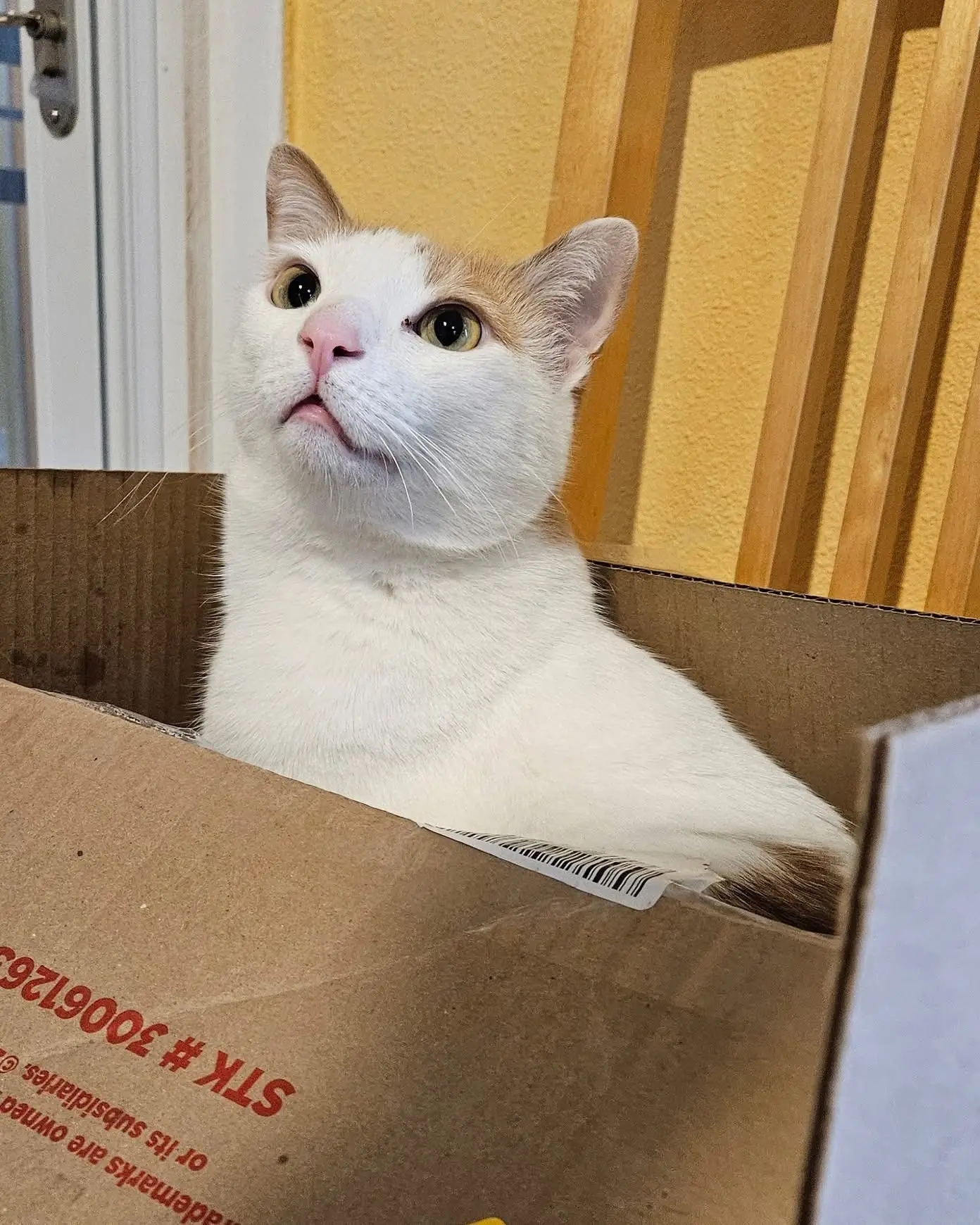
Remove hazards that become more consequential when the home is unattended.
Secure windows and screens, remove strings and toxic items, manage plants, confirm temperature, check water systems, close unsafe rooms, stabilize furniture, and prevent appliances from trapping a cat.
A list of preferences is different from a care plan.
Instructions should identify priorities, sequence, limits, backup methods, what counts as incomplete, and who should be contacted when the visit does not go normally.
Show the routine
Food, water, litter, medication, play, rooms, and household tasks.
Define priorities
State which tasks are essential when time, access, or cat behavior changes.
Plan failure points
Explain missed medication, absent cats, food refusal, lockouts, alarms, or unavailable supplies.
Test the plan
Walk through access, supplies, carriers, contacts, and the portal profile before departure.
Do not make last-minute changes without updating the sitter.
Check the ZIP and submit the household profile.
Complete preparation does not replace service confirmation, but it makes the booking and visit safer, clearer, and more efficient.