
Special needs become ordinary when the environment and routine are designed around them.
The care plan should explain how the cat moves, communicates, eats, eliminates, takes medication, navigates the home, and responds to unfamiliar people.
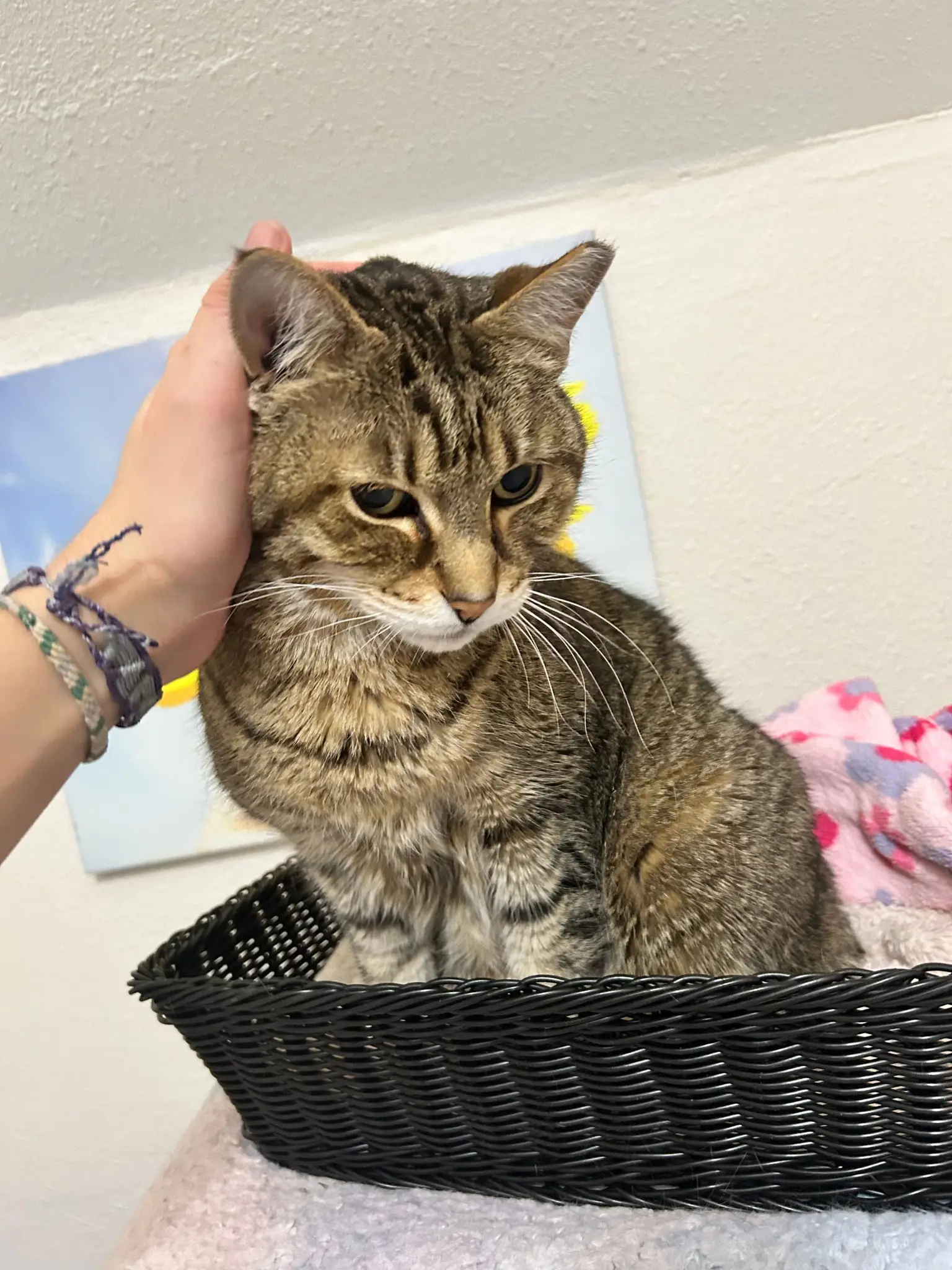
Describe function rather than relying on a diagnosis label.
Two cats with the same condition may use the home differently. The sitter needs to know what this cat can do, what support is ordinary, and what change would be meaningful.
Blind or low-vision cats
Keep routes, furniture, food, water, litter, stairs, doors, and approach cues consistent. Explain how the cat locates people and resources.
Deaf or hard-of-hearing cats
Use visual, floor-vibration, scent, and predictable approach patterns. Avoid startling the cat from sleep or behind.
Tripod and limb-different cats
Document jumping, balance, traction, stairs, lifting, litter entry, fatigue, pressure areas, and the locations where assistance is used.
Neurologic and coordination differences
Explain ordinary gait, tremor, head position, falling, toileting, feeding, and behaviors that may look concerning but are baseline.
Mobility and chronic pain
Prepare accessible resources, non-slip pathways, approved support methods, and clear instructions about what the sitter should not attempt.
Behavioral and handling complexity
Document triggers, bite or scratch history, hiding, safe distance, medication feasibility, door management, and recovery after interaction.
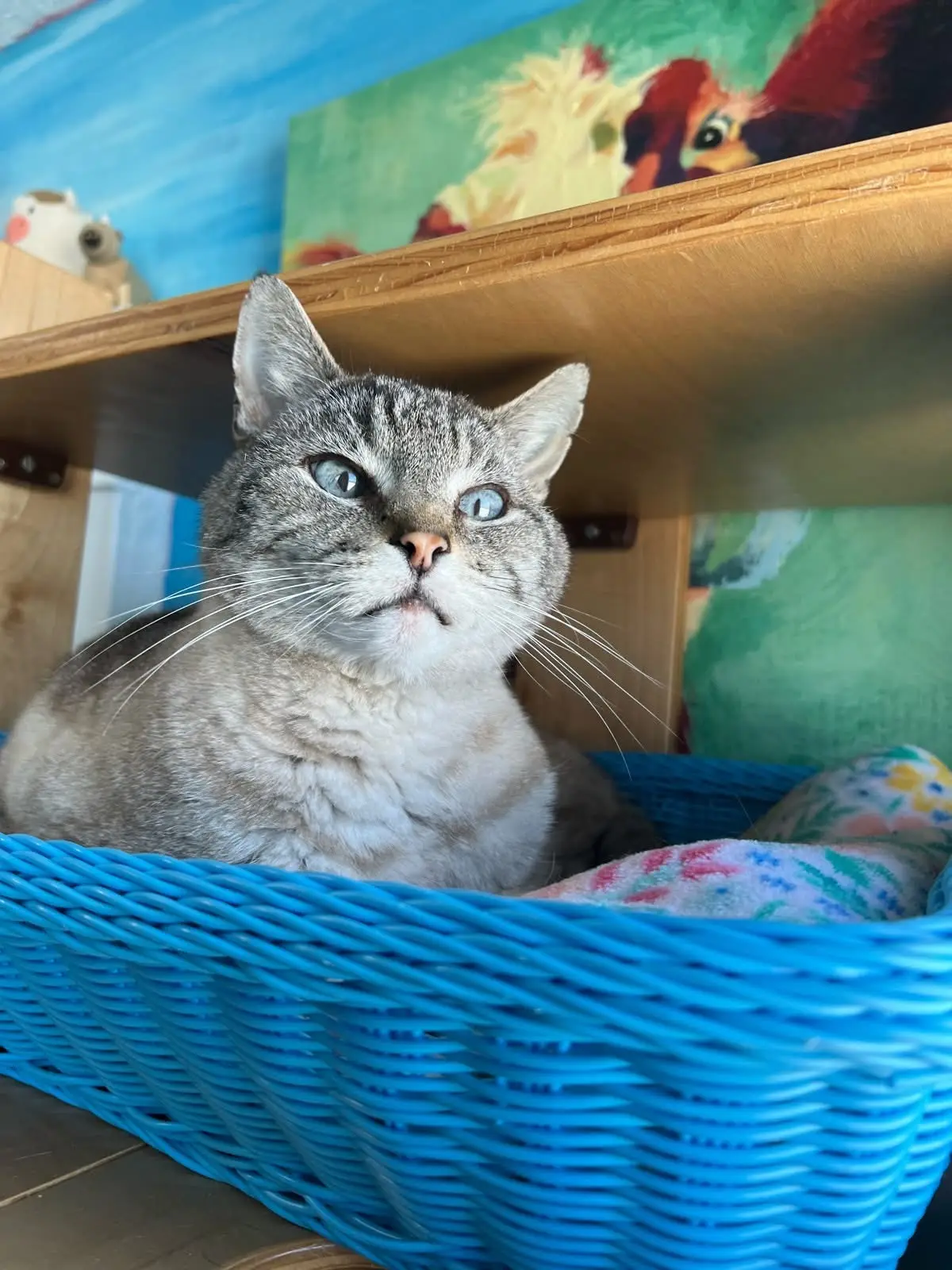
Do not reorganize the cat’s world before travel.
Keep furniture, steps, ramps, litter, bedding, food, water, sensory markers, and mobility aids in their familiar locations. Label equipment and explain how it is used.
The familiar home may be ideal—or the adaptations may require too much time between visits.
Consider medication, toileting, falls, food access, skin and hygiene, social dependence, handling, and whether the cat can safely remain without direct observation until the next visit.
Document baseline
Show ordinary movement, behavior, eating, litter, equipment, and support.
Rehearse tasks
Confirm that the assigned caregiver can complete hands-on care safely.
Define change
Identify the differences that require guardian or veterinary contact.
Choose continuity
Use visits, overnight care, or boarding according to the cat’s functional needs.
Share videos, photographs, equipment, and ordinary routines.
Visual examples can help the sitter understand baseline gait, navigation, handling, eating, toileting, and support before the guardian leaves.