
Hiding is often a strategy—not a rejection of the sitter or the care.
Cats may hide because the guardian is gone, the home sounds different, a stranger entered, the visit disrupted sleep, or distance gives the cat more control over the interaction.
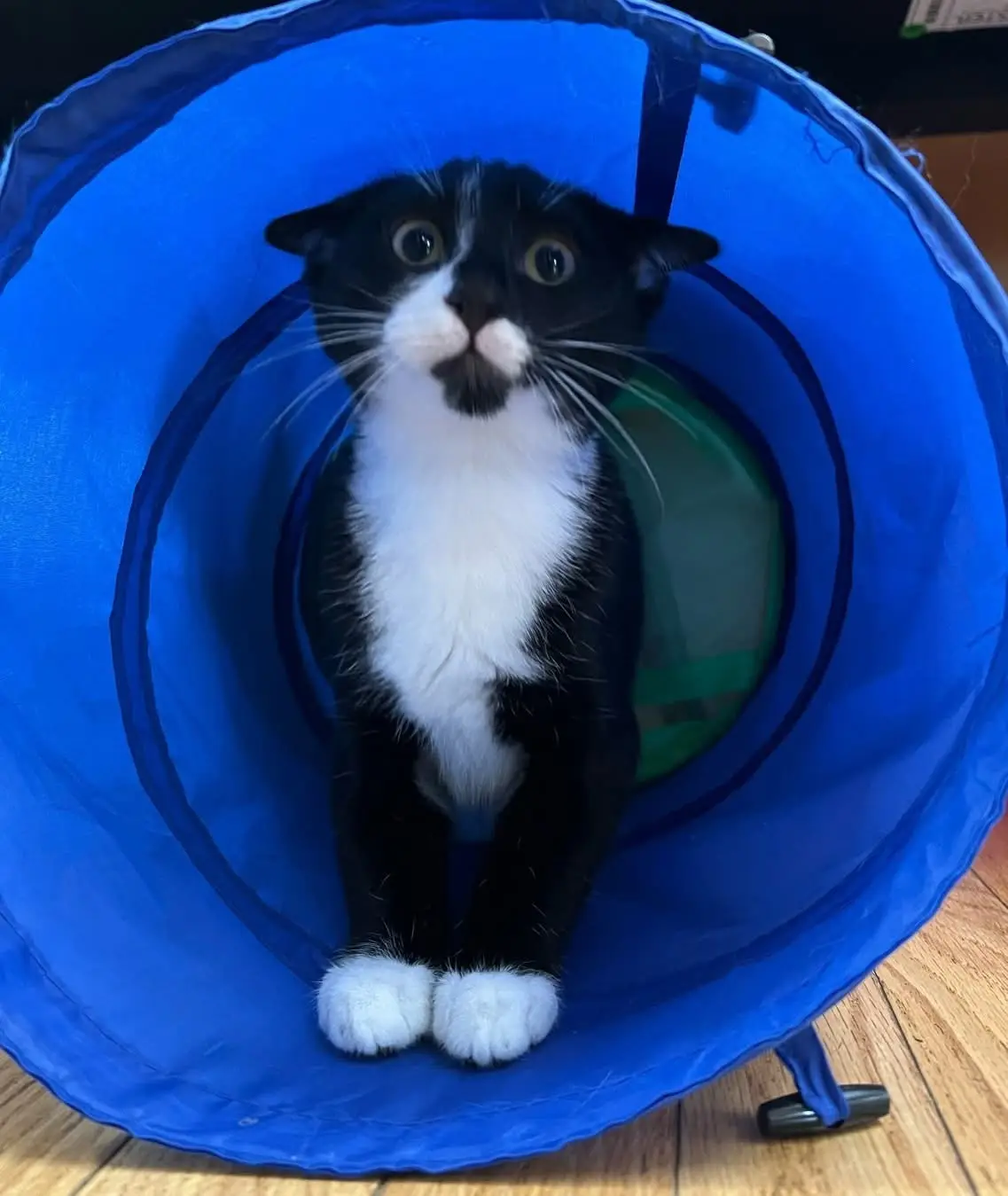
The same behavior can have different meanings.
Interpret hiding in relation to the cat’s ordinary pattern, the home, the time of day, health, food, litter, and what happened before the sitter arrived.
Protective distance
The cat may use a bedroom, closet, tunnel, under-bed space, or high perch to observe without being approached.
Ordinary sleep pattern
A sitter may arrive during a time the cat normally sleeps in a concealed location, especially when the guardian is usually away then.
Unfamiliar sound or movement
Keys, doors, shoes, alarms, bags, voices, equipment, construction, packages, or another person may change the cat’s sense of safety.
Guardian absence
The household rhythm, feeding cues, social timing, and room use may change even when the physical environment remains the same.
Prior experience
The cat may associate strangers, carriers, medication, handling, or certain rooms with unwanted events.
Functional or medical change
New hiding, different locations, reduced movement, food refusal, or inability to emerge may need more attention than ordinary shyness.
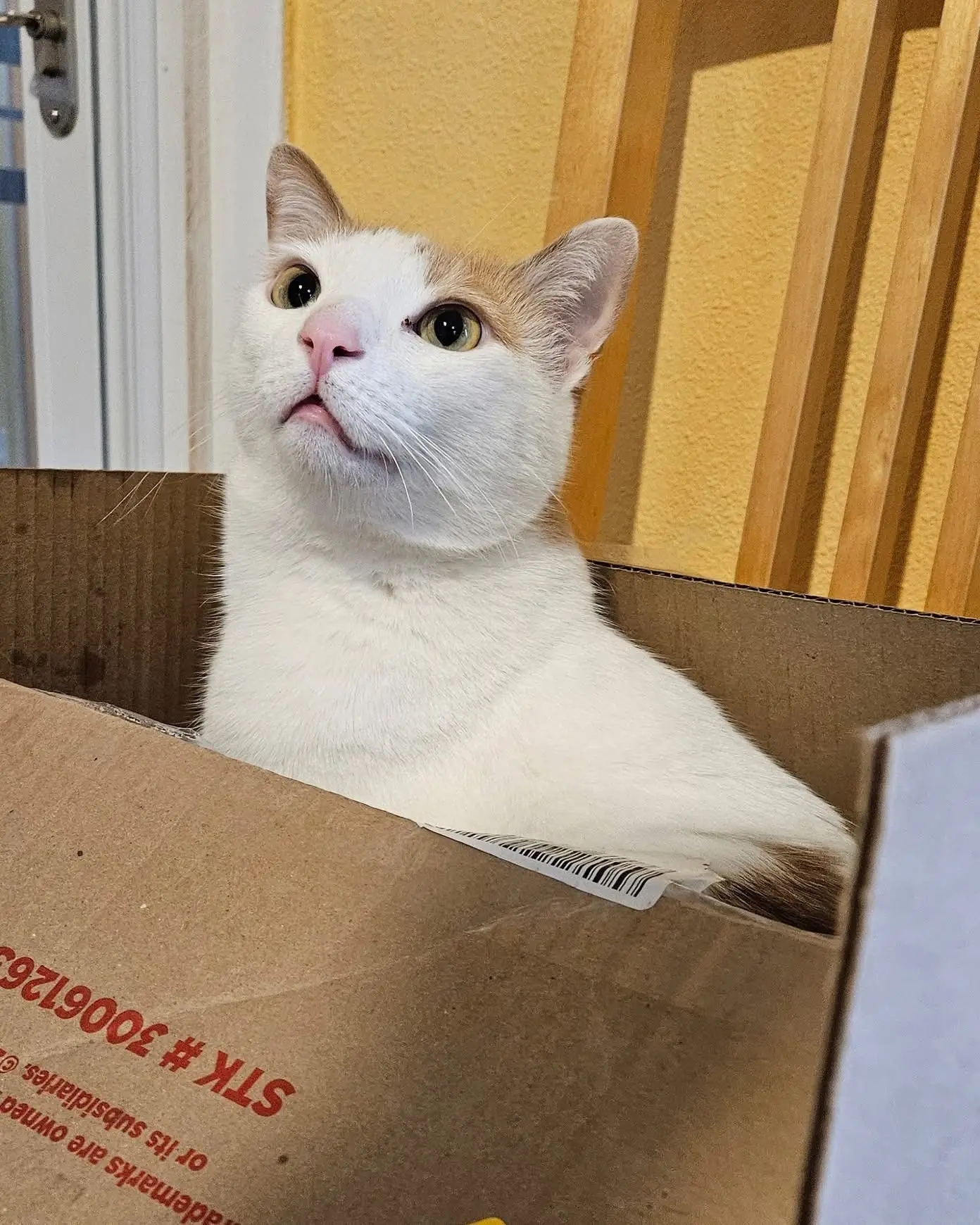
Prepare locations the sitter can monitor without invading them.
Leave familiar beds, boxes, tunnels, closets, or under-furniture spaces available when they are safe. Block holes behind appliances, open walls, unstable furniture, box springs, outdoor access, and voids where the cat cannot be reached in an emergency.
A hidden cat can still leave a useful pattern.
The sitter may use several indicators together. No single empty bowl, litter clump, sound, or photograph should be treated as complete proof when multiple cats share the home.
Know identity and location
Use current photographs, physical description, ordinary hiding places, and room access.
Check resources
Observe food, water, litter, bedding, medication, and signs of movement.
Reduce pressure
Complete tasks quietly and offer time, treats, play, or distance without pursuit.
Compare with baseline
Report when the cat’s location, output, intake, movement, or social pattern differs.
Concern increases when hiding interferes with function or essential care.
Examples include inability to confirm a cat who normally appears, missed medication, absent food or litter evidence, a new inaccessible location, unusual vocalization, reduced movement, or a hidden cat who does not respond as expected.
Tell the sitter where the cat goes and how normal hiding is confirmed.
Include photographs, preferred rooms, inaccessible risks, food and litter patterns, medication needs, and what would be unusual for this cat.