
The cat can remain home while the environment still changes.
Guardian absence alters sound, scent, timing, movement, feeding cues, sleep, doors, lights, visitors, and social rhythm. In-home care protects many anchors, but it does not make the trip invisible.
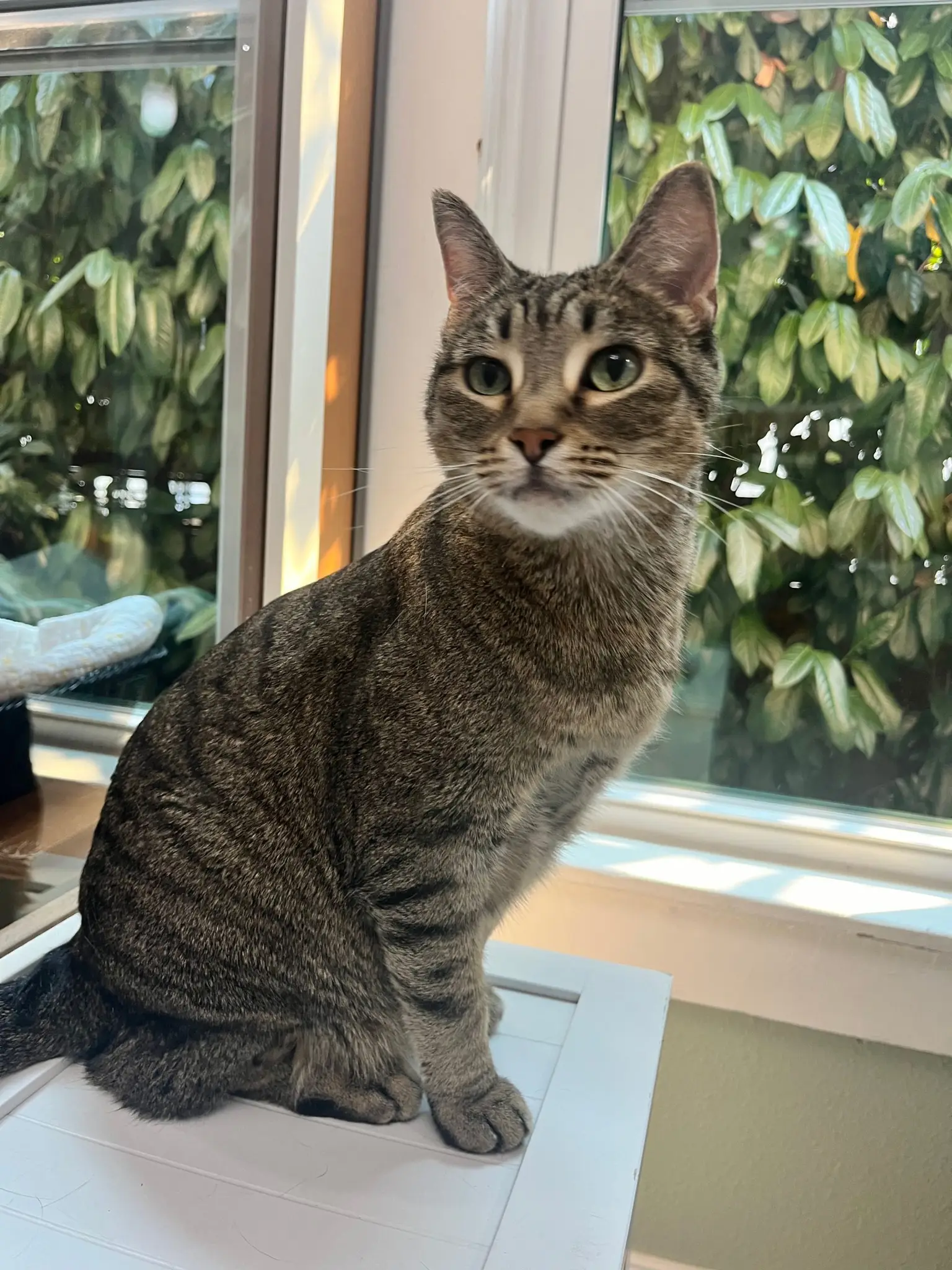
Small environmental differences can accumulate.
The sitter should know which changes are unavoidable, which can be reduced, and which are especially difficult for the individual cat.
Timing
Meals, medication, play, lights, bedtime, waking, doors, and human arrival patterns may shift even within the approved schedule.
Sound
Keys, voices, alarms, shoes, construction, storms, fireworks, delivery traffic, appliances, and quiet can all alter the home’s sensory pattern.
Scent
An unfamiliar caregiver, cleaning products, packages, luggage, visitors, maintenance workers, and altered laundry can change important scent cues.
Space and access
Closed doors, rearranged furniture, moved litter, new barriers, blocked windows, or a different sleeping room can interrupt familiar routes.
Social response
The cat may seek more contact, avoid contact, vocalize, pace, sleep differently, guard resources, or change relationships with other cats.
Physical function
Appetite, litter use, grooming, movement, vomiting, coat, sleep, and medication tolerance can shift when the environmental system changes.
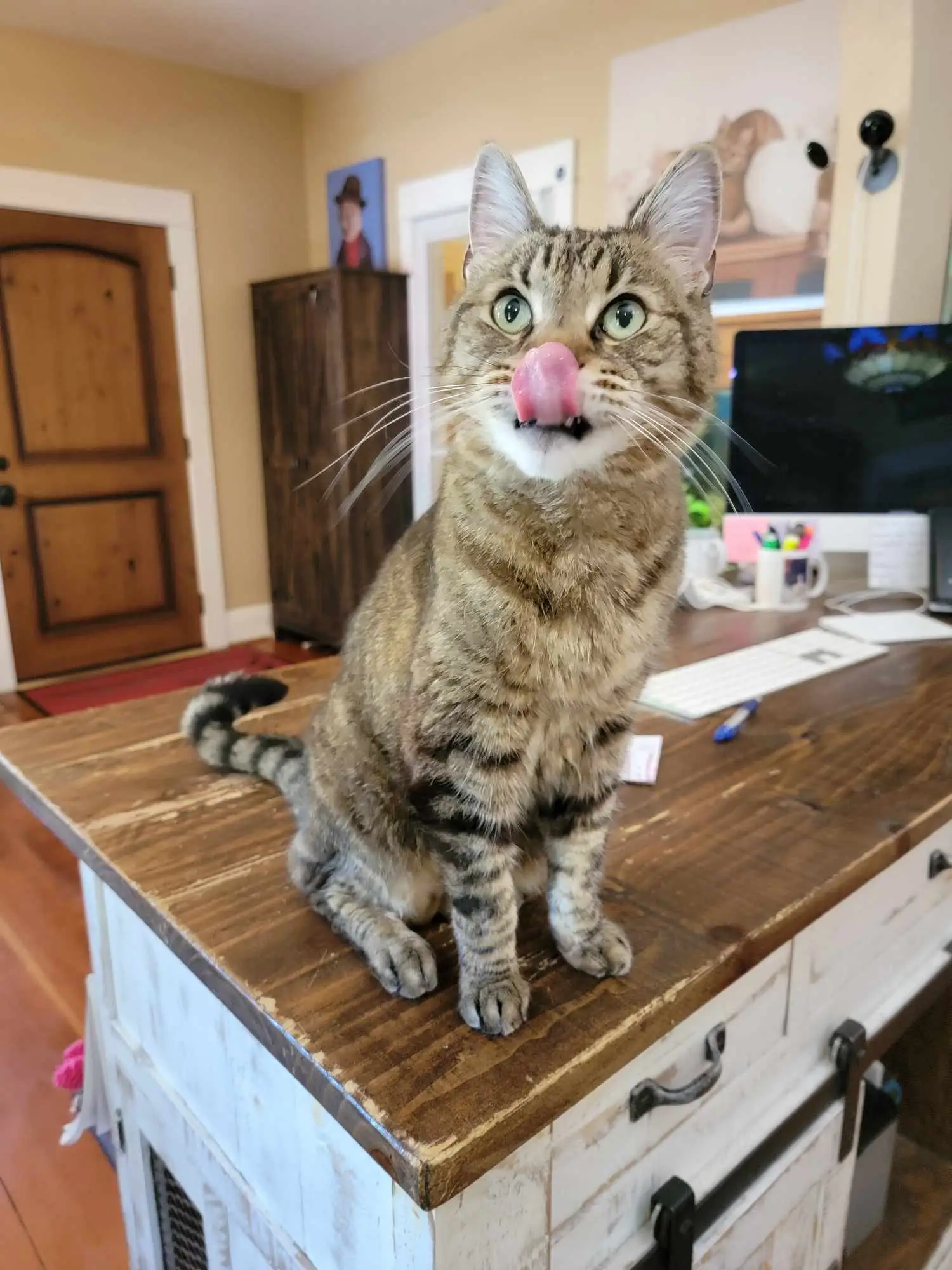
Keep the ordinary map of the home intact.
Avoid unnecessary furniture changes, deep cleaning, new scents, litter moves, food changes, restricted rooms, unfamiliar visitors, or new equipment immediately before travel.
The cat’s response may change after the first visit.
Some cats hide initially and become more social. Others eat for several days and then decline, become more vocal at night, or change relationships with another cat as the guardian’s absence continues.
Document baseline
Describe ordinary routines, resource use, behavior, food, litter, and sleep.
Reduce novelty
Keep sitter movement, task order, communication, and household changes predictable.
Track trends
Compare visits across time rather than treating each as an isolated snapshot.
Change care when needed
Increase support or use another setting when the cat is not adapting safely.
Tell the sitter which environmental changes have affected the cat before.
Include construction, weather, visitors, other animals, appliance sounds, feeding changes, medication, travel duration, and prior sitter or boarding responses.