
Cats are not smaller dogs—and quiet does not always mean stable.
A feline-only approach changes how the sitter enters, moves, observes, interprets hiding, evaluates food and litter, offers interaction, and responds to subtle decline.
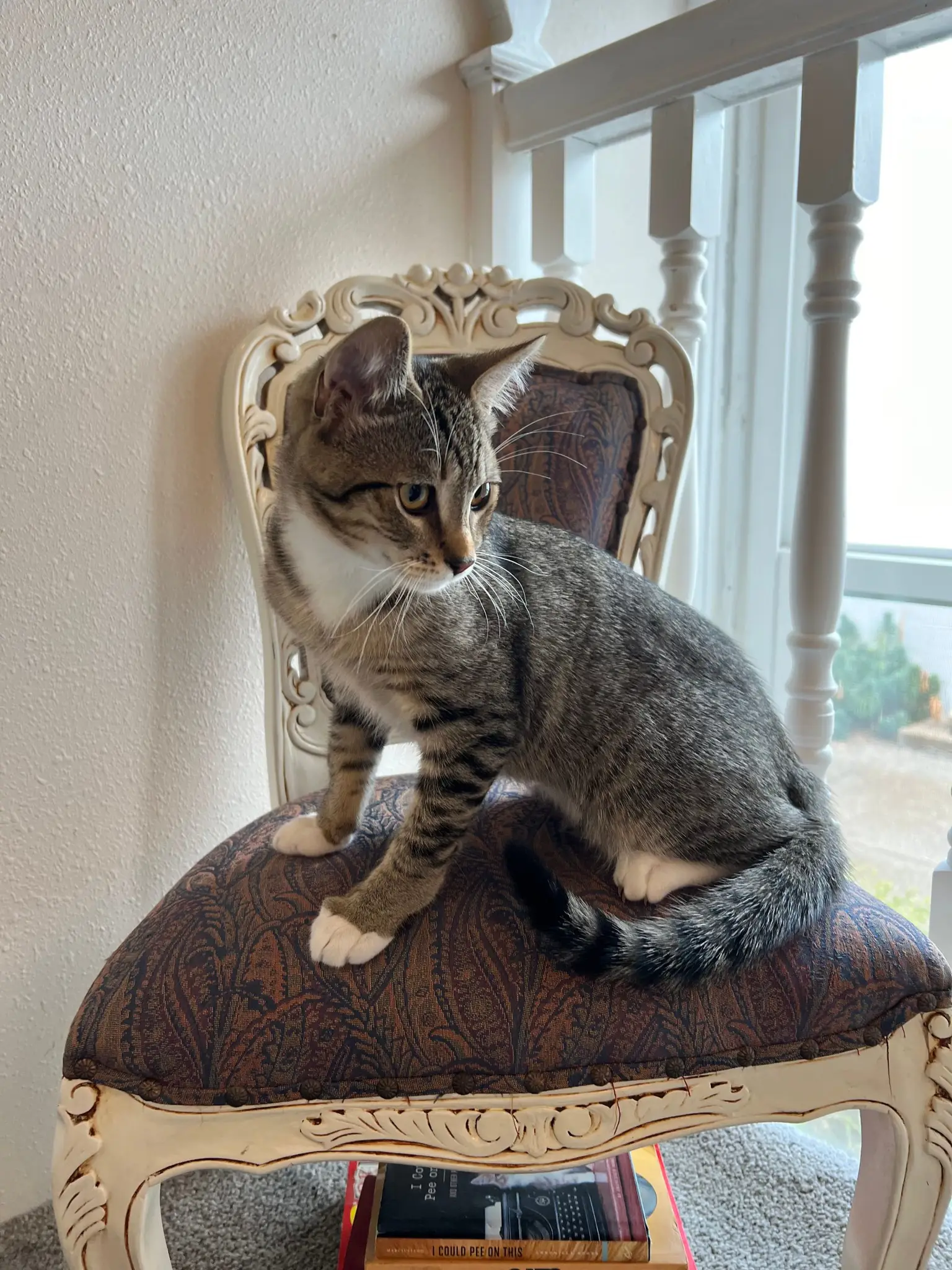
The sitter reads the whole pattern—not only whether tasks were completed.
Cat-specific care does not require every visit to become clinical. It means ordinary care is informed by how cats experience disruption and how subtle their warning signs can be.
Territory and predictability
Cats map safety through scent, routes, hiding, height, food, litter, and household rhythm. Home care preserves those anchors.
Hiding has context
A shy cat may hide normally. A social cat who suddenly disappears, misses food, or changes location may need closer assessment.
Appetite is functional data
Food left behind, altered pace, selective eating, vomiting, or refusal can be more important than whether a bowl was filled.
Litter output matters
Urine, stool, straining, diarrhea, constipation, accidents, or absent output may reveal medical or environmental instability.
Interaction is not forced
Some cats benefit from play and touch. Others need distance, indirect presence, slower pacing, and care completed without social pressure.
Small changes deserve attention
Breathing, posture, coat, mobility, vocalization, sleep, orientation, and medication response may shift before a crisis becomes obvious.
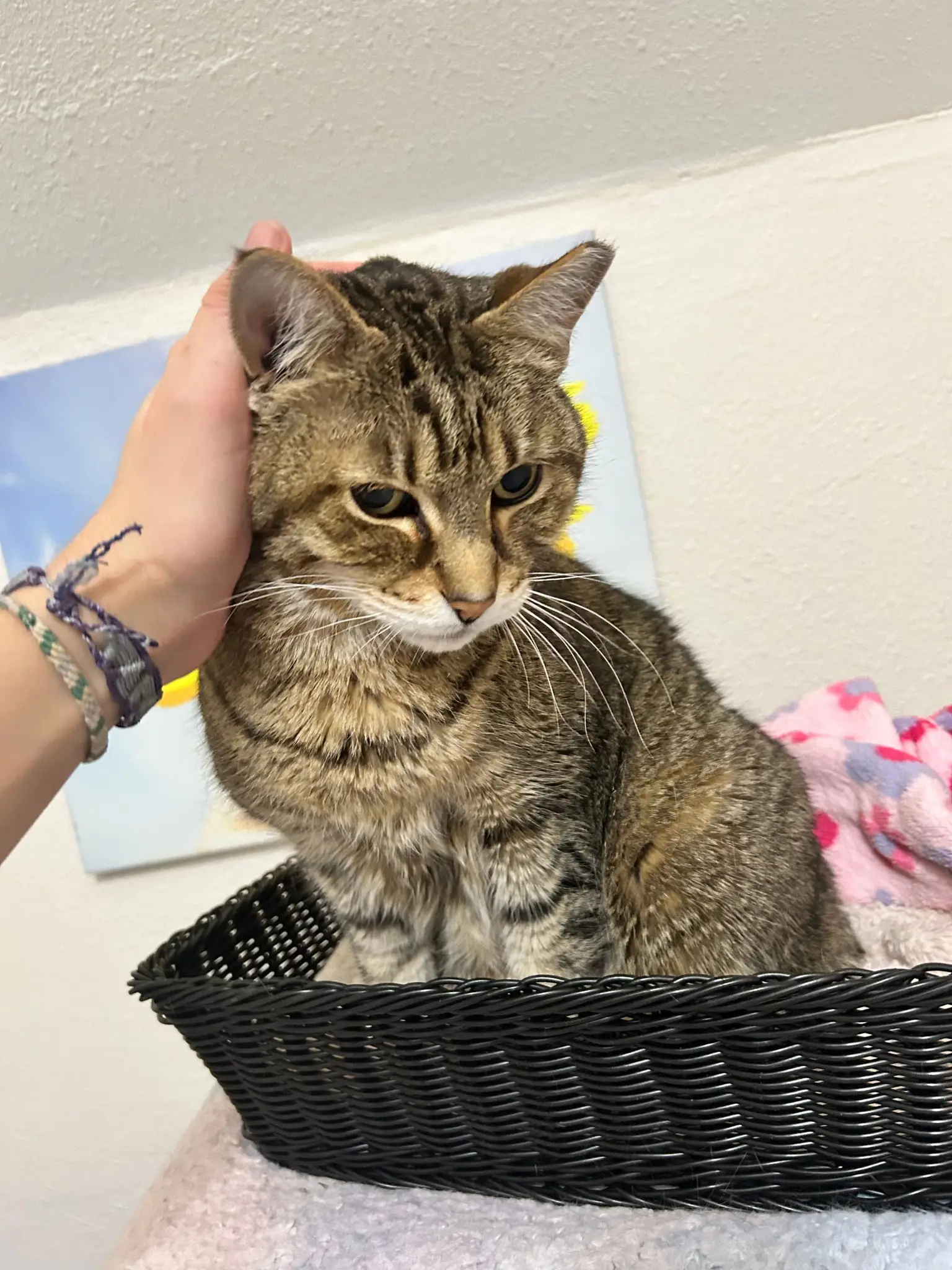
The goal is useful care, not proof that the sitter can make the cat socialize.
Trust may look like approaching, eating nearby, playing, blinking, resting in view, or simply remaining less vigilant while essential tasks are completed. A hidden cat still needs observation through food, litter, location, sound, photographs when possible, and knowledge of the home.
It means stress is expected, interpreted, and managed more deliberately.
The guardian’s absence, an unfamiliar person, medication, altered feeding, construction, weather, packages, alarms, or another animal can change the cat’s state. Good care notices the interaction instead of blaming the cat.
Expect variation
The cat may behave differently without the guardian present.
Preserve anchors
Keep food, litter, timing, hiding, and household routines as stable as possible.
Read the response
Track function rather than judging friendliness or compliance.
Change the plan
Increase support, contact the guardian, or move to veterinary or boarding care when needed.
Start with the ZIP, then describe how your cat normally functions.
Baseline information gives the sitter a meaningful reference point for appetite, litter, behavior, hiding, mobility, medication, and social contact.