
The sitter does not need to become the cat’s friend to provide good care.
For shy, fearful, and anxious cats, the first goals are safety, predictable routine, food, water, litter, medication when applicable, and useful observation without unnecessary pursuit.
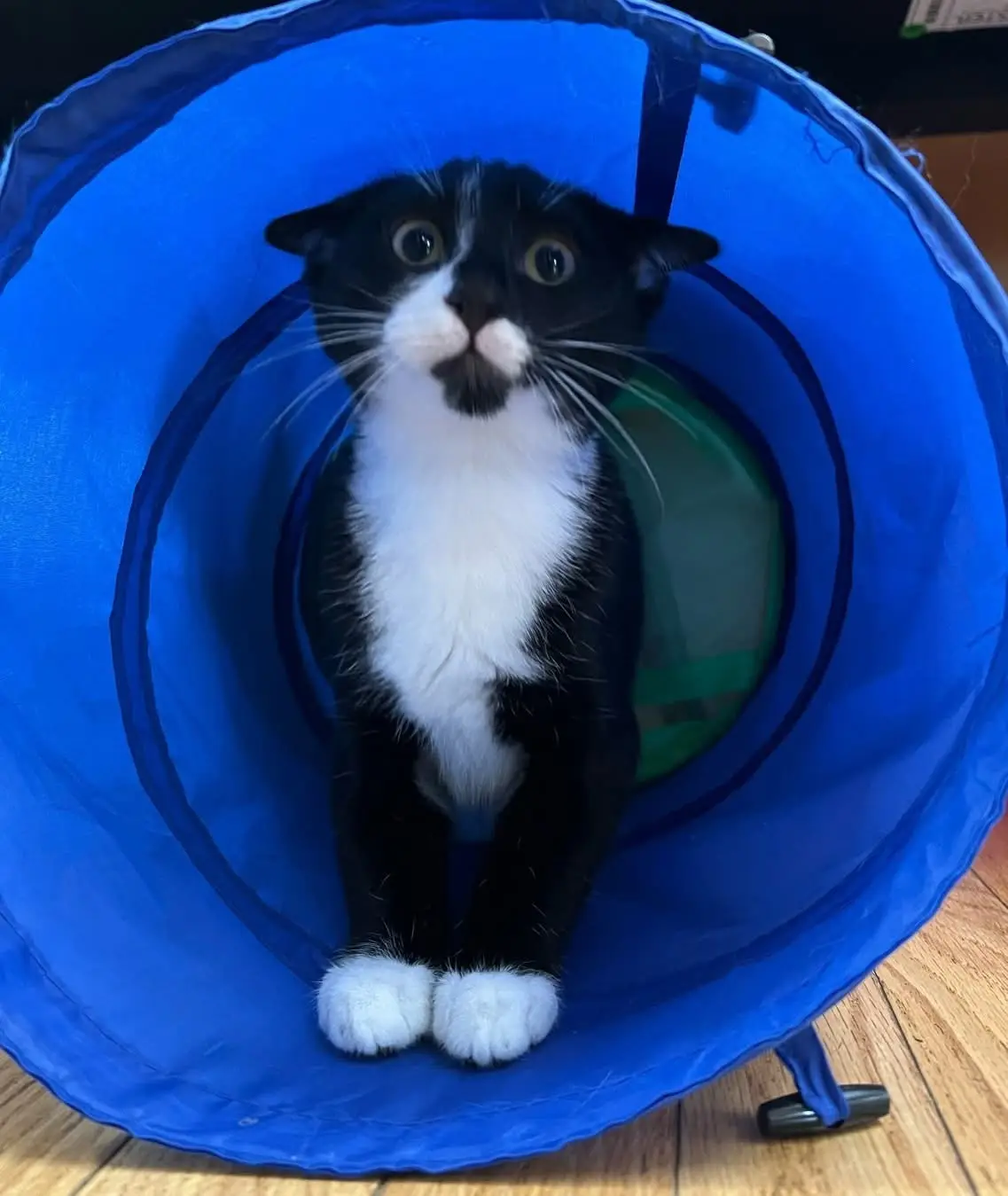
Reduce social demands without reducing care quality.
A sitter can complete thoughtful care even when the cat does not approach, play, accept touch, or remain in the room.
Predictable entry
Use consistent sound, movement, lighting, door routines, and task order so the visit becomes more legible over time.
Preserve escape routes
Avoid blocking the cat’s path or pursuing the cat into a corner unless an essential care or safety need requires direct handling.
Indirect observation
Use food, litter, water, sound, known hiding locations, room use, photographs when possible, and baseline patterns to assess function.
Offer rather than demand
Play, treats, conversation, touch, and proximity are offered according to the cat’s response instead of becoming visit requirements.
Plan handling honestly
A cat who hides or avoids the sitter may not be a realistic candidate for hands-on medication without rehearsal, backup, or a different care setting.
Report useful details
Describe location, food, litter, movement, vocalization, visible body condition, social response, and changes from the cat’s ordinary pattern.
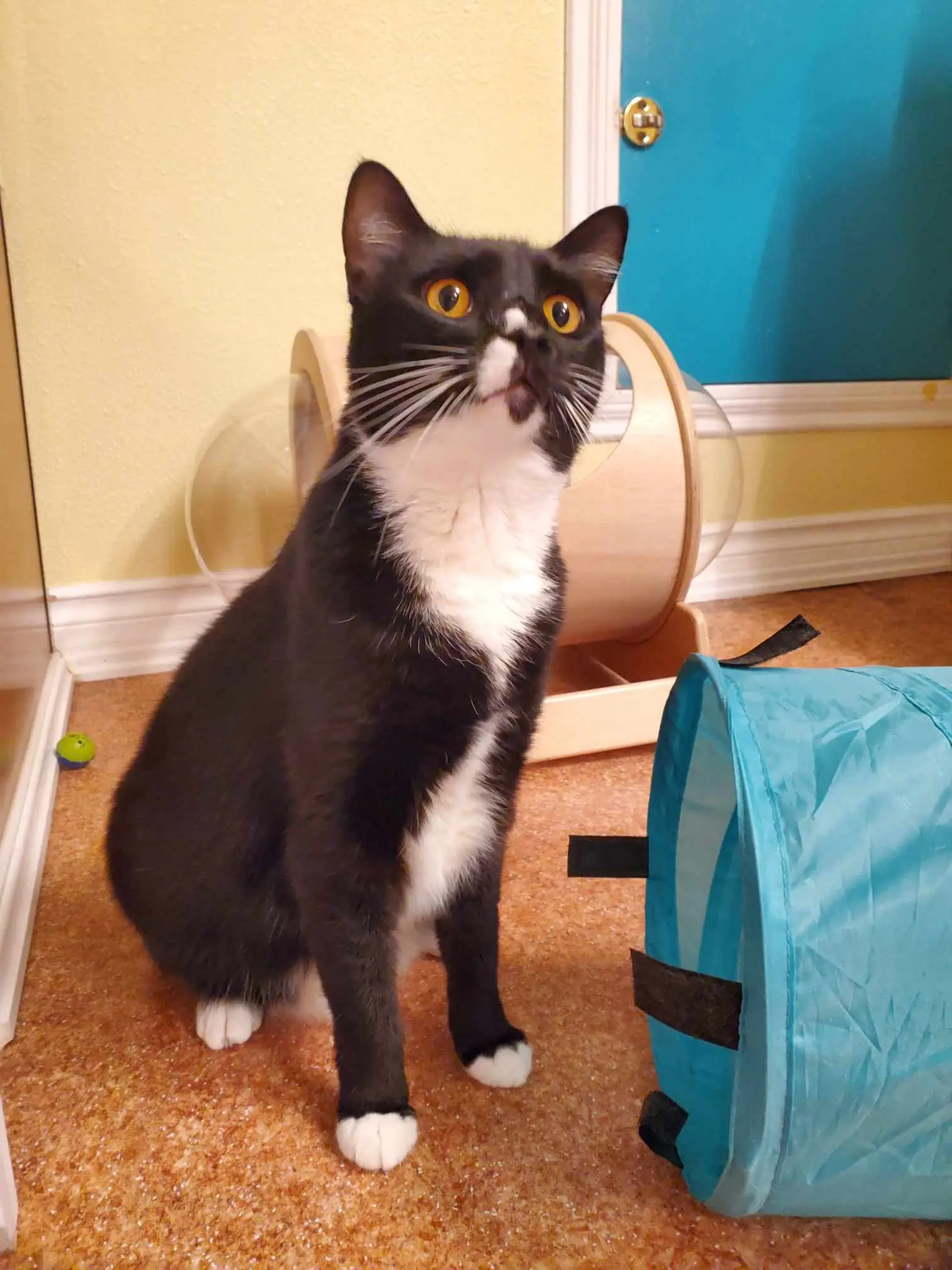
The home should make it possible to care for a hidden cat.
Before travel, identify every likely hiding place, block unsafe or inaccessible voids, keep carriers reachable, place resources where they can be monitored, and explain which closed doors must remain closed.
The question is whether the cat remains functionally stable.
A hidden cat who is eating, drinking, urinating, defecating, moving, and following a known pattern differs from a cat who disappears, stops using resources, changes hiding places, or cannot be visually confirmed when that is unusual.
Know baseline
Document ordinary hiding, greeting, food, litter, and response to unfamiliar people.
Preserve distance
Complete care with the least pressure compatible with safety.
Confirm function
Use multiple indicators instead of relying only on direct social contact.
Escalate change
Contact the guardian and care team when the pattern no longer matches baseline.
Describe hiding, handling, medication, bite or scratch risk, and prior sitter experiences.
The team needs the real history to determine visit frequency, sitter fit, whether an introductory visit is useful, and whether medication or boarding changes the decision.